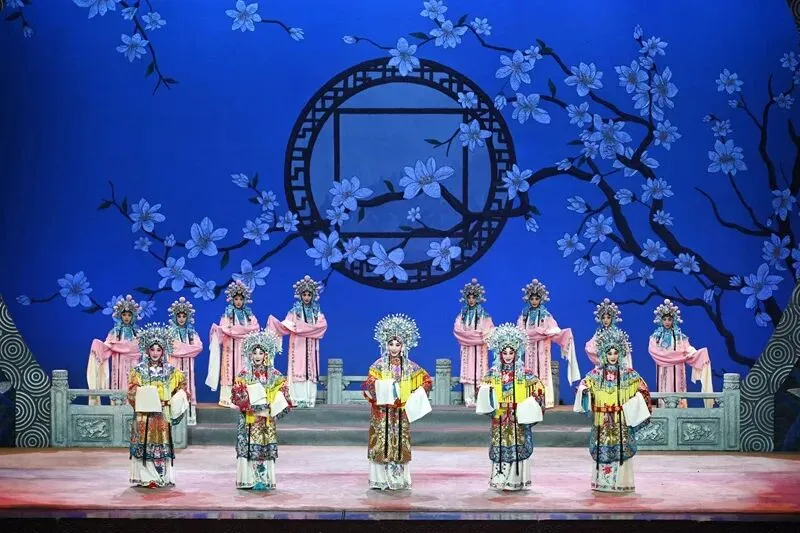
我国拥有数百个地方剧种,这是历代戏曲艺人在长期演出实践中,不断顺应观众需求调整创新,在不同艺术形式的碰撞融合中探索创造的成果。在旧时,戏班拥有充分的自主发展权,为了开拓市场、获得当地观众认可,戏班常常在保留自身剧种特色的基础上,吸收当地的唱腔、舞蹈、民歌小调,甚至融入方言土语,逐步演变出全新的剧种,京剧就是最典型的例子——它由徽调、汉调融合各地戏曲精华发展而来,最终成为国剧。当时还常出现多剧种同台演出的盛况,艺人们多才多艺,为了生存灵活施展特长,在交流中相互借鉴、彼此滋养。
China boasts hundreds of local opera genres. They are the fruits of long-term practice, continuous innovation, and the integration and collision of diverse artistic forms by opera artists of past dynasties. In ancient times, opera troupes enjoyed full independence. To expand markets and gain local recognition, they absorbed local tunes, dances, folk songs and even dialects while retaining their own characteristics, gradually evolving into new genres. Peking Opera is the most typical example. It developed by blending Hui opera, Han opera and the essence of various local operas, and eventually became China’s national opera. In the old days, performances of multiple operas on the same stage were common. Versatile artists drew lessons from one another and achieved common development through communication.
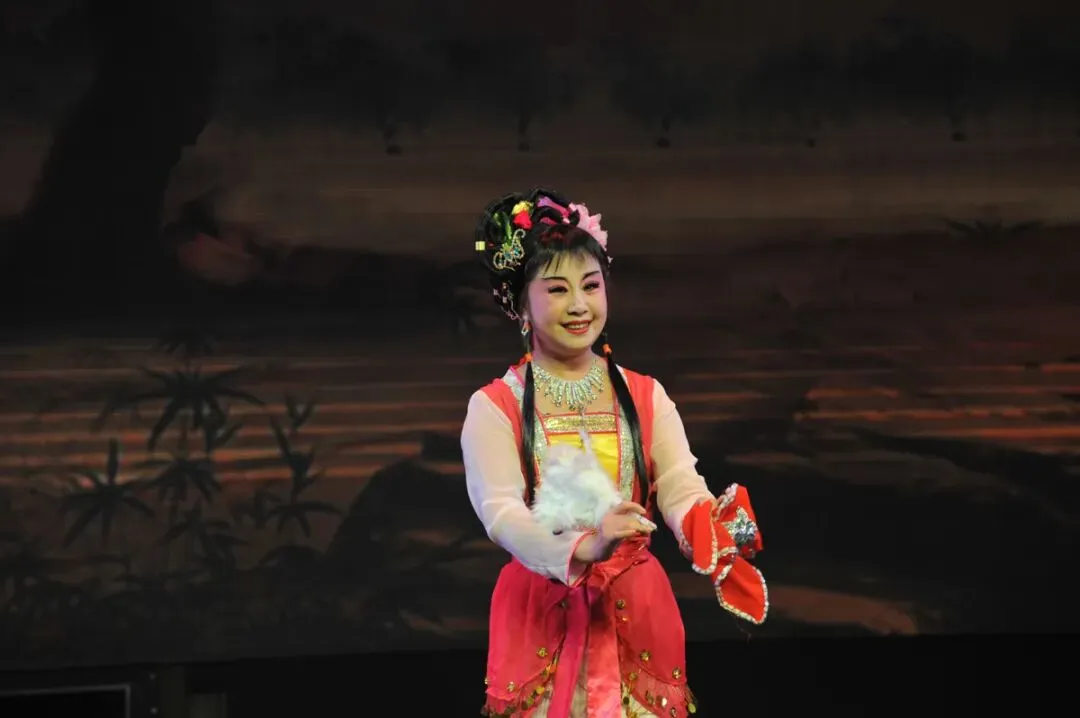
在传媒、通讯不发达的年代,戏班的改革尝试鲜少受到广泛关注,除少数大剧种外,基本没有官方干预,改革的成败全由市场检验,“生存即是硬道理”。各剧种之间不仅可以借鉴语言、内容、形式,甚至可以更改剧种名称,比如“京剧”最初被称为“皮簧”,后逐步更名定型。在漫长历史中,既有旧剧种消亡,也有新剧种诞生,形成了戏曲艺术自发演进的良性生态。历代封建统治者既不会下令创立新剧种,也极少扶持保护地方戏,戏班散伙后,艺人便凭借自身技艺自寻出路,正是这些民间戏班与艺人,成为推动戏曲发展、催生新剧种的核心力量。他们为了生存,不像如今的专家学者那样顾虑重重,担心新增元素破坏剧种的“原汁原味”,反而能大胆创新、顺势而为。
In eras with underdeveloped media and communication, the reforms of folk opera troupes rarely received widespread attention. Except for a few major operas, there was almost no official intervention. The market decided success or failure, and survival was the absolute priority. Different genres borrowed from one another in language, content and form, and even revised their names. For instance, Peking Opera was originally called Pihuang Tune before being officially renamed. Throughout history, old genres faded away while new ones emerged naturally, forming a self-evolving and healthy ecological system for opera. Feudal rulers neither founded new operas nor provided systematic support for local dramas. When troupes disbanded, artists made a living with their own skills. It was these folk troupes and artists that drove opera development and gave birth to new genres. Driven by survival pressure, they embraced bold innovation and kept pace with the times, free from excessive worries about damaging the so-called "original flavour" that trouble modern researchers.