宋代是戏曲发展的关键转折期。在参军戏的基础上,戏曲艺术广泛吸收了历代歌舞精华,融合了民间说话、讲唱、影戏、杂扮等技艺成果,将滑稽故事表演与歌舞戏两条脉络融会贯通,催生了宋杂剧、金诸宫调、金院本、戏文等全新文学艺术形式,为戏曲的成熟奠定了坚实基础。到了元代,在金院本与宋杂剧的积淀之上,元杂剧集齐了成熟戏曲的所有要素,情节完整、表演规范、文辞优美,迎来了戏曲发展的黄金时代,形成了蔚为壮观的艺术盛景。
The Song Dynasty marked a critical turning point for opera development. On the basis of canjun opera, opera art absorbed the essence of dances and music from previous dynasties, and drew lessons from folk storytelling, chanting performances, shadow plays and comic acts. It merged comic storytelling with musical-dance dramas, giving birth to new artistic forms including Song zaju, Jin zhugongdiao, Jin yuanben and early drama texts, laying a solid foundation for the maturity of opera. In the Yuan Dynasty, built upon the heritage of Jin yuanben and Song zaju, Yuan zaju integrated all mature elements of traditional opera. With complete plots, standardized performances and elegant diction, it ushered in a golden age of Chinese opera and created a magnificent artistic prosperity.
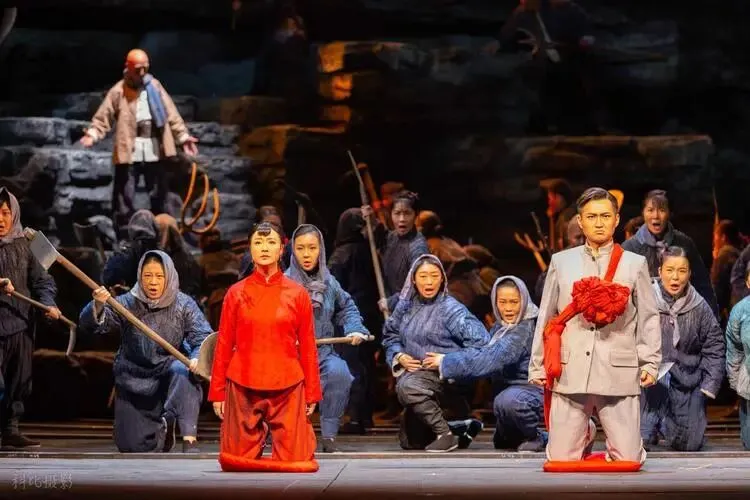
欣赏戏曲的过程,既是提升鉴赏能力的过程,也是逐步克服欣赏障碍、深入艺术内核的过程。鉴赏水平的高低,源于对作品的感知深度,而精准的感知则离不开生活积累与欣赏经验的沉淀。初次接触戏曲的人,往往只能感受到表层的剧情内容;随着观演数量的增加,便能读懂作品背后深藏的情感与寓意;最终达到内行境界,方能品味到戏曲表演形式、艺术手法的精妙之处。正如歌德所言:“内容人人看得见,涵义只有有心人得之,形式对于大多数人是一秘密。”
Appreciating opera is a process of upgrading aesthetic taste, breaking through appreciation barriers and understanding its inner essence. One’s aesthetic ability depends on the depth of perception, which is rooted in life experience and accumulated appreciation. New audiences often only notice the superficial plot; with more viewing experience, they can understand the hidden emotions and implications behind the works; only connoisseurs can finally savour the subtlety of opera’s performing forms and artistic techniques. As Johann Wolfgang von Goethe once said: 'The content is seen by everyone, the implication is perceived only by the thoughtful, and the form remains a secret to most people.'
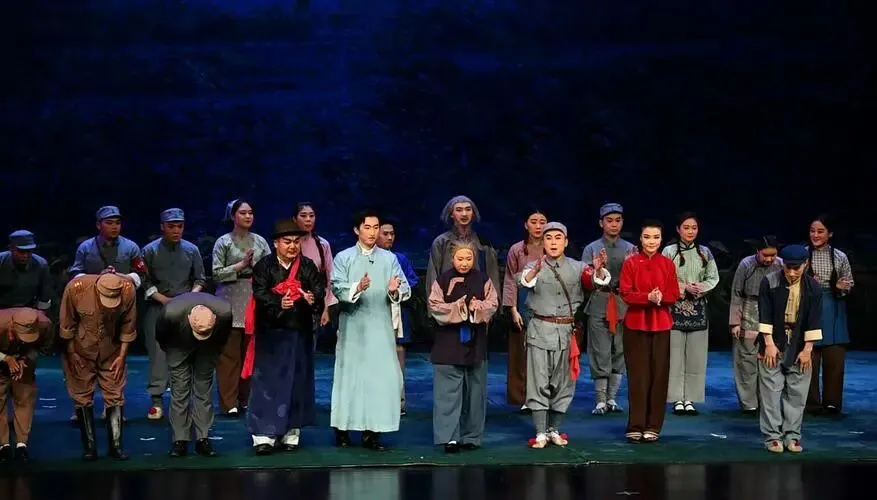
戏曲之美,核心在于形式之美,能否读懂戏曲的表现形式、领略其中的审美愉悦,是区分戏曲欣赏内外行的重要标准。以表演为例,内行观众首先能读懂戏曲表演的形体程式语汇,不会对演员的动作产生“他在干什么”的困惑;其次能掌握程式化动作的组合规律,理解表演的“语法逻辑”,明白演员动作设计的用意;最后能品味形体动作中的舞蹈美感,包括韵律之美、变形夸张之美、含蓄内敛之美,精准判断表演的优劣高下。此外,戏曲作品在思想内容上还有两大鲜明特征值得关注:一是情感态度上的鲜明倾向性,二是整体结构的和谐完满,同时也需深入体会戏曲所承载的精神价值与文化内涵。
The core beauty of opera lies in its formal aesthetics. The ability to interpret its expressive forms and aesthetic pleasure distinguishes casual audiences from professional connoisseurs. In terms of performance, seasoned viewers can first understand the stylized body language of opera performers without confusion about stage movements. Secondly, they grasp the combination rules of stylized gestures, comprehend the logical grammar of performance, and understand the design intention of every movement. Furthermore, they appreciate the dancing beauty in physical expressions, including rhythm, exaggerated refinement and implicit restraint, so as to accurately judge the quality of a performance. In addition, two prominent ideological features deserve attention: distinct emotional inclination and harmonious and complete structural design. It is also essential to deeply comprehend the spiritual value and cultural connotation carried by opera.
 10个月宝宝每天需要喝多少奶粉?

