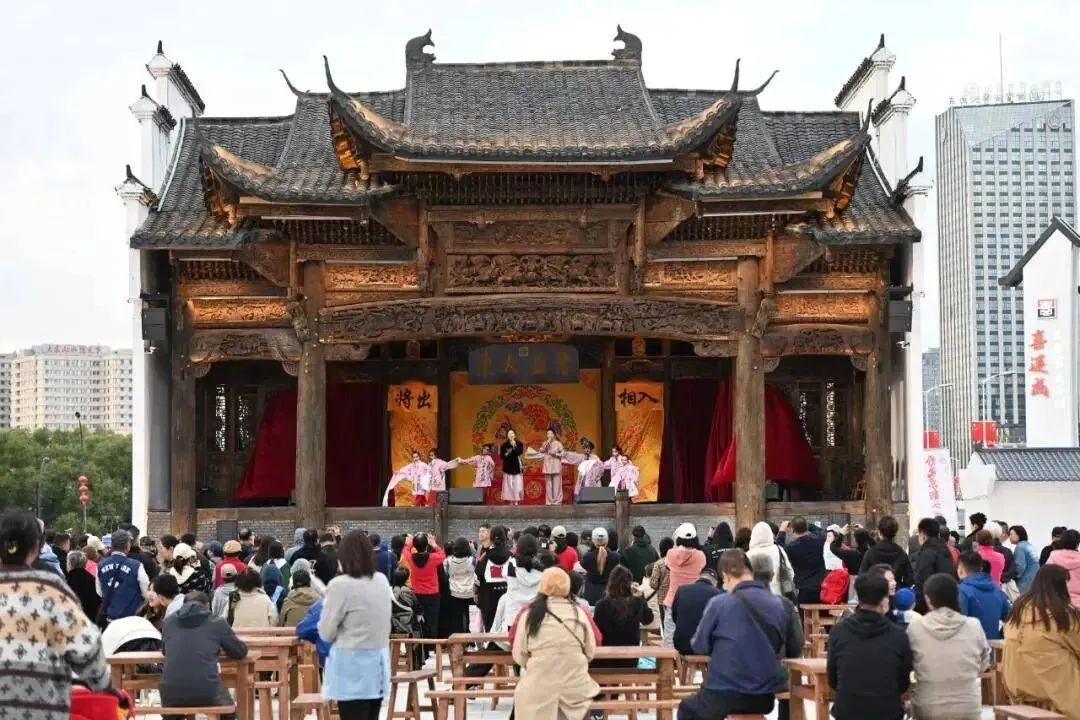
节奏是戏曲艺术的灵魂所在,无论是剧本创作、导演构思,还是音乐伴奏、演员表演,都蕴含着内在的节奏韵律。需要注意的是,节奏并不等同于速度,在戏曲艺术中,节奏包含“一拍三度”的核心要素——“一拍”即节拍(板眼),是节奏的基础;“三度”分别指速度(快慢)、力度(强弱)、幅度(大小、收放),三者相互配合,构成戏曲丰富的节奏变化。演员的内心情绪节奏,也需通过程式化表演技巧进行固化呈现,让观众直观感知角色的情感起伏。
Rhythm is the soul of opera art. In script creation, directorial conception, musical accompaniment and acting performance, inherent rhythmic vitality runs through everything. It is worth noting that rhythm is not equal to speed. In traditional opera, rhythm follows the core principle of 'one meter and three dimensions': the "one meter" refers to tempo (beat and clapper), the foundation of rhythm; the "three dimensions" include tempo (fast or slow), dynamics (strong or weak) and range (expansion or restraint). The coordination of the three creates rich rhythmic variations. Actors’ inner emotional rhythms are solidified and expressed through stylized performing skills, allowing audiences to intuitively perceive the emotional ups and downs of characters.
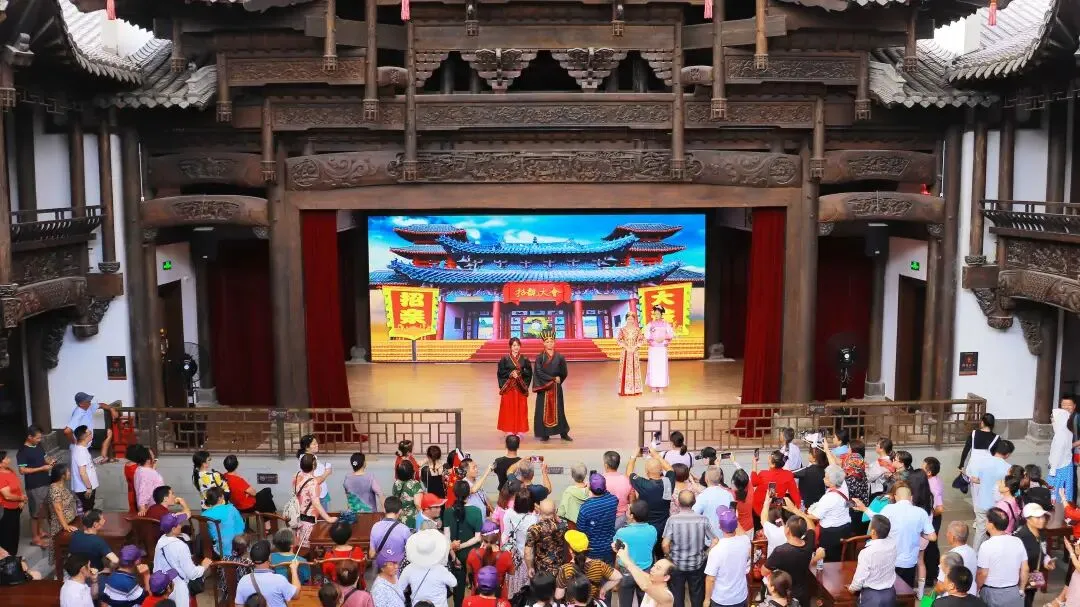
“写意”是戏曲艺术最核心的艺术特质之一。国内戏剧界对这一概念的解读,主要聚焦两个维度:一是其心灵性,即着重抒写创作者的主观情意;二是其本质性,即超越外在写实表象,直击事物内核。戏曲的写意性,体现在将无限丰富的生活内容,凝练成有限的舞台形象,将具象的实景升华为意境悠远的虚境,让观众“见一叶而知秋”,于简约中感受无穷韵味。戏曲艺术的核心,就是以“实”写“虚”、以“小实”映“大虚”,通过具体的舞台表演,传递抽象的情感与精神;同时,“虚”的意境又能让“实”的表演更显生动、优美、动人,形成“以实带虚、虚中有实、实中有虚、虚实结合”的独特艺术效果。而写意的本质,终究是“写”出事物的精神内核——正如所有艺术创作都是“物质的精神化”,戏曲的写意,正是通过舞台艺术,实现对精神内涵的极致表达。
"Imagistic expression" is one of the core artistic characteristics of Chinese opera. Domestic theatrical circles interpret this concept from two perspectives: spirituality, which focuses on expressing creators’ subjective feelings; and essentiality, which transcends superficial realism to reach the inner essence of all things. Opera’s imagistic expression condenses rich real life into limited stage images, and elevates concrete scenes into profound artistic conception. It enables audiences to 'see the falling leaves and perceive the coming autumn', and savour endless charm from simplicity. The essence of opera lies in expressing the virtual through the real, and reflecting the grand abstract with subtle concrete details. Through tangible stage performances, it conveys abstract emotions and spirits. In return, the virtual artistic conception makes realistic performances more vivid, graceful and touching, forming a unique artistic effect: 'reality leads virtuality, virtuality contains reality, and the two are perfectly integrated'. Ultimately, imagistic expression aims to portray the spiritual essence of all beings. Just as all artistic creation is the spiritualization of material things, opera realizes the ultimate expression of spiritual connotation through stage art.