一方水土一方戏:写给世界的第一堂中国戏曲课
- 2026-11-22 14:28:52

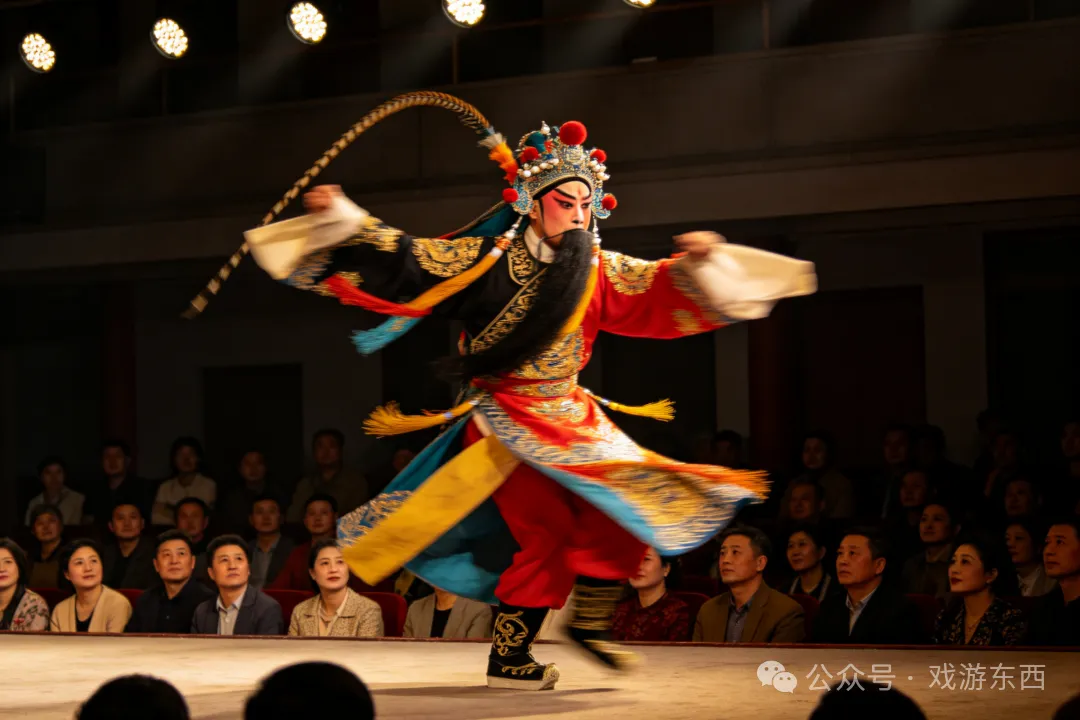



人类文明史上曾出现过三大古典戏剧体系:古希腊戏剧、古印度梵剧、中国戏曲。前两者的剧本如今还躺在博物馆的展柜和残卷里,中国戏曲却仍在开场——在县城的戏台上,在乡村的庙会里,在城市剧场的灯光下。
这是一个写给海内外读者的中国戏曲文化科普系列。我打算从源流、地域、方言一路讲到剧目,把这些“活着”的东西,介绍给还不太熟悉它的朋友,让戏曲的声音传向世界。
但我想做的事不止于介绍。中国戏曲值得被更多人听见,也值得和世界的戏剧传统真正坐下来聊一聊。我更希望有更多的朋友可以通过我的渠道认识、了解戏曲,爱上戏曲而投入戏曲的传播与发展,让一份真正优秀的文化“活下去”。
Three great theatrical traditions emerged in the ancient world: Greek drama, Sanskrit drama in India, and Chinese Xiqu. Of the first two, only scripts and fragments remain. Chinese Xiqu, often called Chinese opera in English, is still alive and performing today—on small-town stages, at village temple fairs, and in theatres in bustling cities.
This series is an invitation to discover Chinese opera, whether you are reading in China or elsewhere in the world. We’ll begin with its origins, explore the regional styles and dialects that give it character, and then meet some of its best-loved stories. My hope is to introduce these living traditions to readers who may be encountering them for the first time—and to help the sound of Chinese opera travel further.
But I want to do more than simply introduce it. Chinese opera deserves to be heard, enjoyed, and discussed by more people around the world. Through this series, I hope you’ll get to know it, understand it, and perhaps even fall in love with it. And if you do, I hope you’ll help pass it on, so this remarkable cultural tradition can continue to thrive.

为什么要把戏曲讲给世界听

Why Share Chinese Opera with the World?
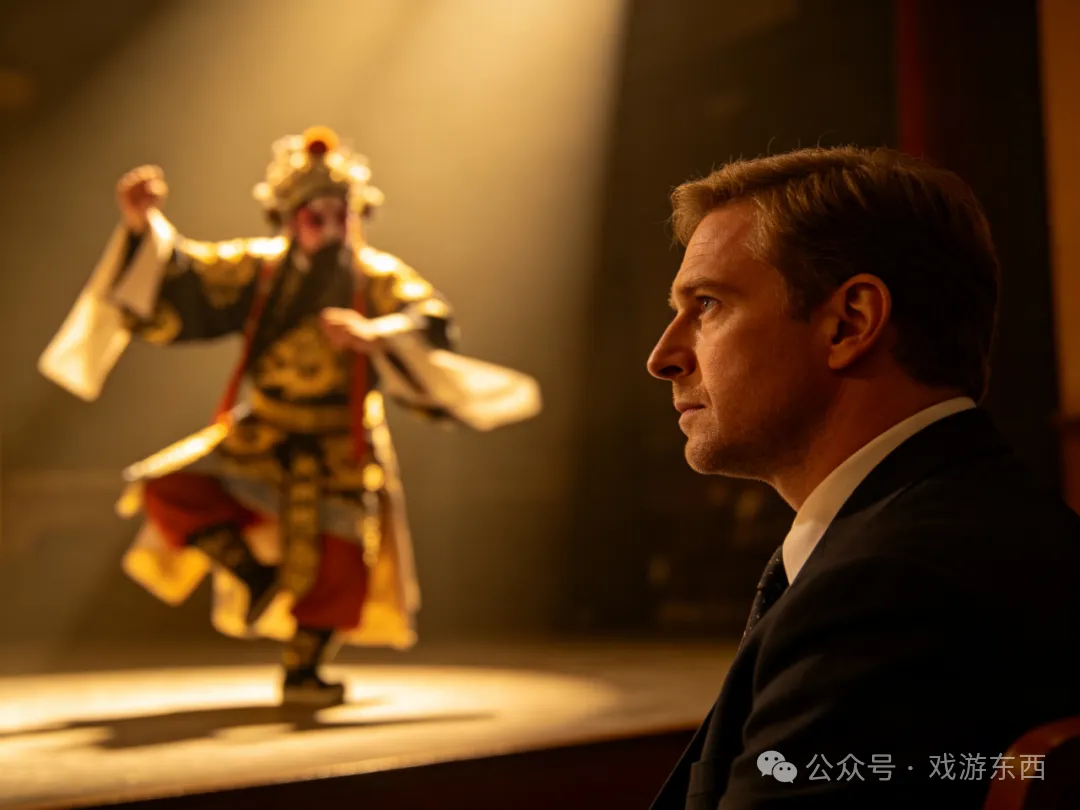
1954年,萧伯纳看过中国戏曲之后,说自己过去的戏剧观念被打破了。他看的不只是一门表演技术。台上的演员手里只有一根马鞭,脚下是空荡荡的台板,却能让你相信他正策马翻过千里山路。这跟西方戏剧努力用布景“复原”生活的路子,几乎是反着来的。
In 1954, after watching Chinese Xiqu, George Bernard Shaw is said to have remarked that it changed the way he thought about drama. What impressed him was not just a clever stage technique. An actor may hold nothing more than a horsewhip and stand on an otherwise bare stage, yet make us believe he is riding a thousand miles through the mountains. Instead of recreating every detail with painted scenery, Chinese opera invites the audience to imagine the world alongside the performer.
中国戏曲里藏着一整套看世界的方法。写意、留白、虚实相生,说到底都是同一件事:把想象力交还给观众。
That is part of what makes Chinese Xiqu so special: it offers a different way of seeing the world. A gesture can suggest a whole journey; an empty stage can hold an entire landscape. What is left unseen matters just as much as what is shown—and the audience’s imagination becomes part of the performance.

两千多年的舞台上
只有它还醒着

A Tradition That Is Still Alive
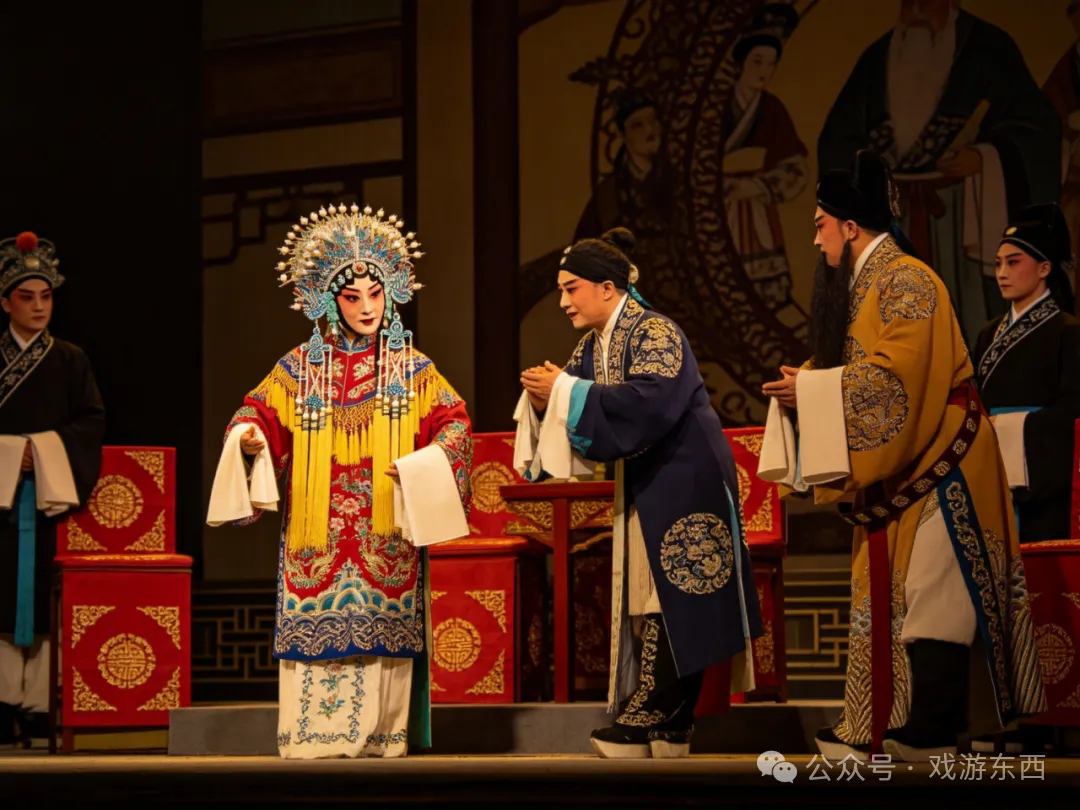
两千多年前的古希腊戏剧、古印度梵剧,今天都断了。中国戏曲没有。
Ancient Greek drama and Sanskrit drama in India have left an extraordinary legacy, but they no longer survive in the same way as continuous, living performance traditions. Chinese Xiqu, by contrast, can still be experienced on stage today.
它长在土里。插秧时唱的田歌、庙会上跳的傩舞、街头巷尾的说唱,都是些零碎的东西,由无数普通人一代代唱出来、改出来、传下来。它没靠谁供养,所以格外能扛。
Its roots lie in everyday life: songs sung in the fields, masked dances at temple fairs, and stories told on street corners. Over generations, ordinary people carried these forms forward, reshaping them as they went. Chinese opera did not survive simply because someone preserved it behind glass. It survived because people kept performing it, watching it, and making it part of their lives.
而它所展现出的价值取向是在当今依旧耀眼的存在:写意虚实相生,重意境不追求写实布景;培育出了中华民族内敛深沉的内核,而在一个个戏曲故事中彰显的扬善惩恶安国爱民的价值观也同样塑造了坚毅的品行:闪耀在时间中的精神让戏曲生命力变得格外强盛。
The values behind the performances still resonate today. Chinese opera often favours suggestion over realistic scenery, using movement, music, and empty space to spark the imagination. Its stories also return to familiar questions: What is right and wrong? How should we treat the vulnerable? What do we owe our families and our country? By praising kindness and courage and condemning cruelty and betrayal, these stories have carried a powerful moral imagination across the generations.
后来它把这些都收拢起来,以“歌舞演故事”为核心,把唱、念、做、打揉进一出戏里,文学、音乐、舞蹈、美术、武术都在其中。经过了漫长的历史人文变化,它已然成为了一套完善的舞台体系,能活到今天,靠的是始终在打磨自己。
Over time, Chinese Xiqu developed a distinctive way of telling stories through song and dance. Singing, spoken delivery, acting, and martial arts come together in a single performance, drawing on music, literature, dance, visual design, and physical skill. The form has changed through centuries of Chinese history, but it has never stood still. Its ability to adapt is one reason it remains alive.

一方水土一方戏
地理如何写进唱腔

One Land, One Opera:
How China’s Landscapes Shape Its Many Voices
把中国地图铺开,戏曲的分布几乎就是一张地形图和方言图。黄河的雄浑养出了梆子腔的慷慨悲歌,秦腔一嗓子吼出来,就是黄土高原上的风;江南的温婉养出了昆曲的清丽、越剧的缠绵;沿海开放得早,闽粤的剧种里存下大量唐宋古音,跟着海上贸易一路传到东南亚;山地里则长满了家长里短的生活小戏。
Look at a map of China and you’ll notice that the country’s opera traditions often reflect its landscapes and local dialects. The broad Yellow River region gave rise to the bold, ringing melodies of Bangzi opera, while the forceful sound of Qinqiang seems to carry the wind of the Loess Plateau. In the gentler landscapes of Jiangnan, Kunqu became known for its elegance, while Yueju developed a softer, more lyrical style. Along the southeastern coast, the opera traditions of Fujian and Guangdong preserved distinctive local pronunciations and travelled overseas with generations of Chinese migrants and maritime traders. In mountain communities, many local forms grew out of stories about family life and ordinary people.
三百多个剧种,认的理儿却是同一套:家国忠义、善恶分明、仁爱孝悌、怜悯弱者。同一个故事,北方梆子唱得慷慨悲壮,江南的昆曲越剧演得婉转缠绵。根是一个根,花开了一百样。中华文化“和而不同”这四个字,在这里是活的。
China is home to more than three hundred regional opera genres. They sound different, look different, and tell stories in different ways, yet many share familiar themes: loyalty, kindness, filial devotion, justice, and compassion for the weak. The same story might be sung with the bold intensity of northern Bangzi or performed with the gentle grace of Kunqu and Yueju in Jiangnan. One root, a hundred blossoms—that is what “harmony in diversity” looks and sounds like on stage.

方言不是门槛,是密码

Dialect Isn’t a Barrier. It’s Part of the Beauty.
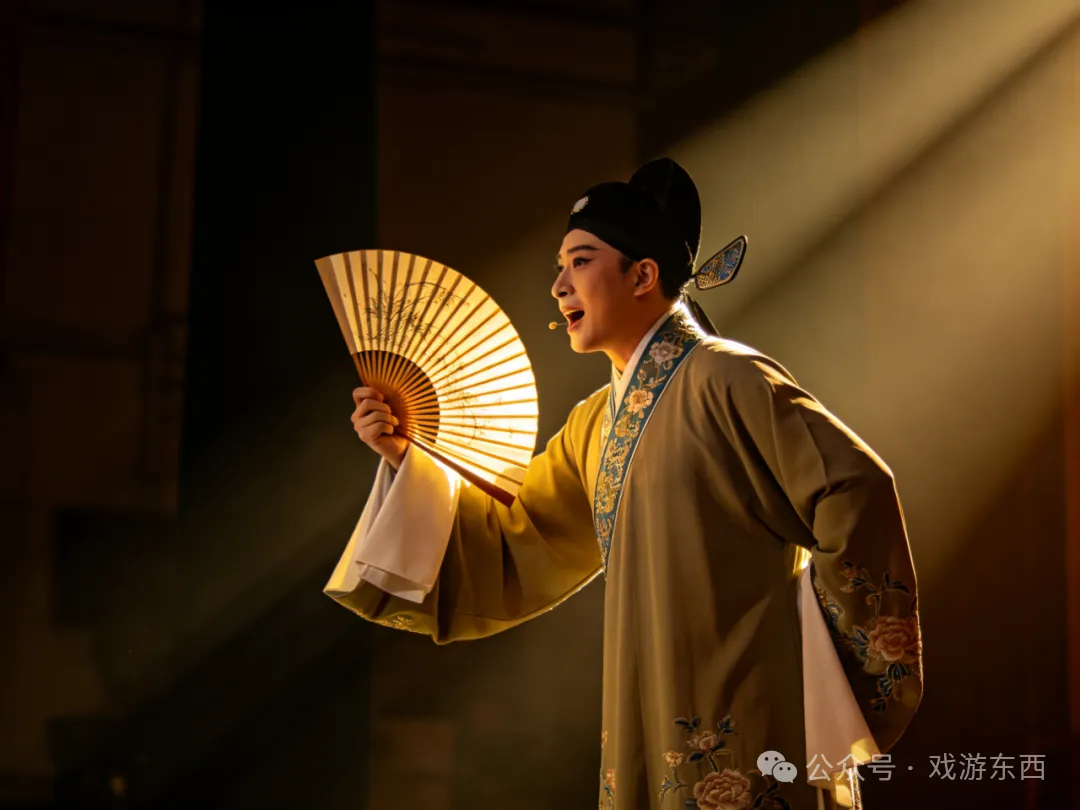
海外读者最容易有这个误会:方言嘛,无非是听不懂的口音。其实正好相反。汉语是声调语言,唱腔的旋律就是从方言的声调上长出来的。越剧、粤剧改成普通话来唱,那股味儿当场就没了。好比把意大利歌剧翻成英文后,总有人感觉味不对,那是因为原有的双关词汇以及一些地域俚语总是无法被另外一种不同的语言文化所完美翻译展示出来。
If you’re new to Chinese opera, the dialects can seem like the biggest obstacle. But they are also part of what makes each tradition unique. Chinese is a tonal language, and the tunes of many opera arias are closely connected to the sounds and rhythms of the dialects in which they are sung. When Yueju or Cantonese opera is performed in Mandarin, some of its original character inevitably gets lost.
方言里存着古汉语的词、当地人的幽默、一个地方的集体记忆。它是唱腔的骨头,对海外观众来说,它更像一把进门的钥匙。
Think of it as translating an Italian opera into English: you may understand the general meaning, but jokes, wordplay, local expressions, and cultural references can be difficult to carry across. Dialects hold a community’s memories, humour, and history. They are not simply a layer of language placed on top of the music; they help shape the music itself. For international audiences, listening for these local voices is one way into the world of Chinese opera.

先听懂这六种声音

Six Opera Traditions to Start With
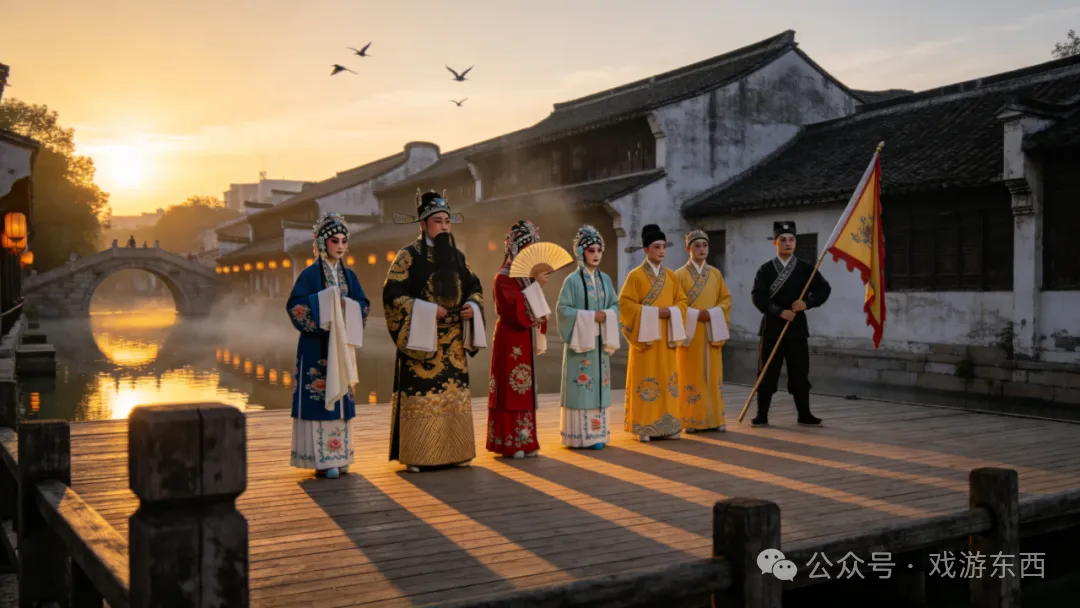
下面这六个剧种,有国家剧场的大传统,有文人的雅乐,有巴蜀的江湖气,也有江汉、江淮一带的民间底色。先从它们听起。
Chinese Xiqu is wonderfully diverse. The six genres below offer a starting point: from the grandeur of the imperial stage to the refined sounds of the literati, from the spirited world of Bashu to the folk traditions of central China. You don’t need to know everything before you begin. Just start listening.
京剧:
把一整个帝国收进一张脸谱
Jingju: A Story Told Through a Painted Face
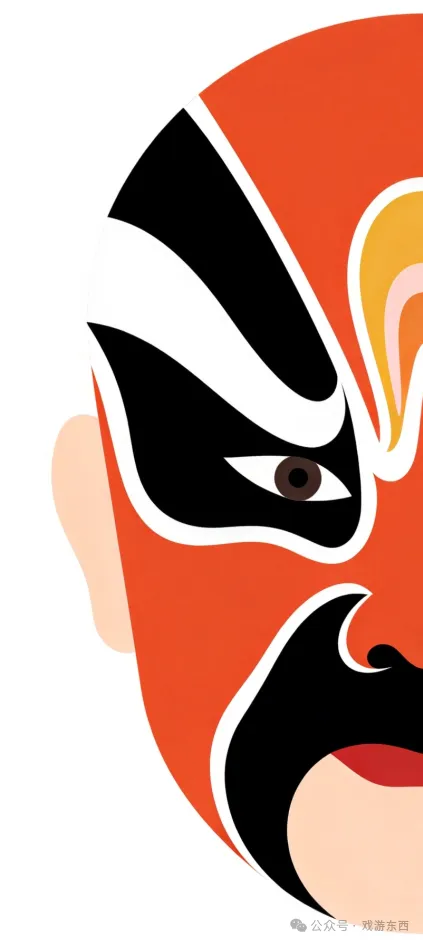
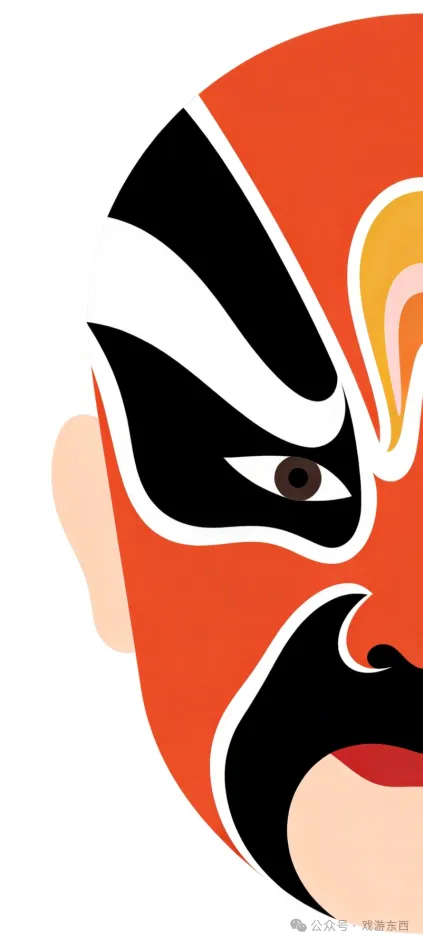
京剧成熟得最晚,也最集大成。1790年徽班进京,徽调和湖北汉调在北京合流,又吸收了昆曲、秦腔的长处,大约到道光年间定了型。唱腔以西皮、二黄为主,合称“皮黄”。行当分生、旦、净、丑。脸谱上,红表忠勇,黑表刚直,白表奸诈。
Jingju, widely known in English as Peking Opera, developed later than some other major Chinese opera traditions, bringing together elements from several earlier styles. In 1790, Hui opera troupes arrived in Beijing. Their music blended with Hubei Han melodies and absorbed influences from Kunqu and Qinqiang. Over time, these traditions helped shape the Jingju we recognise today.
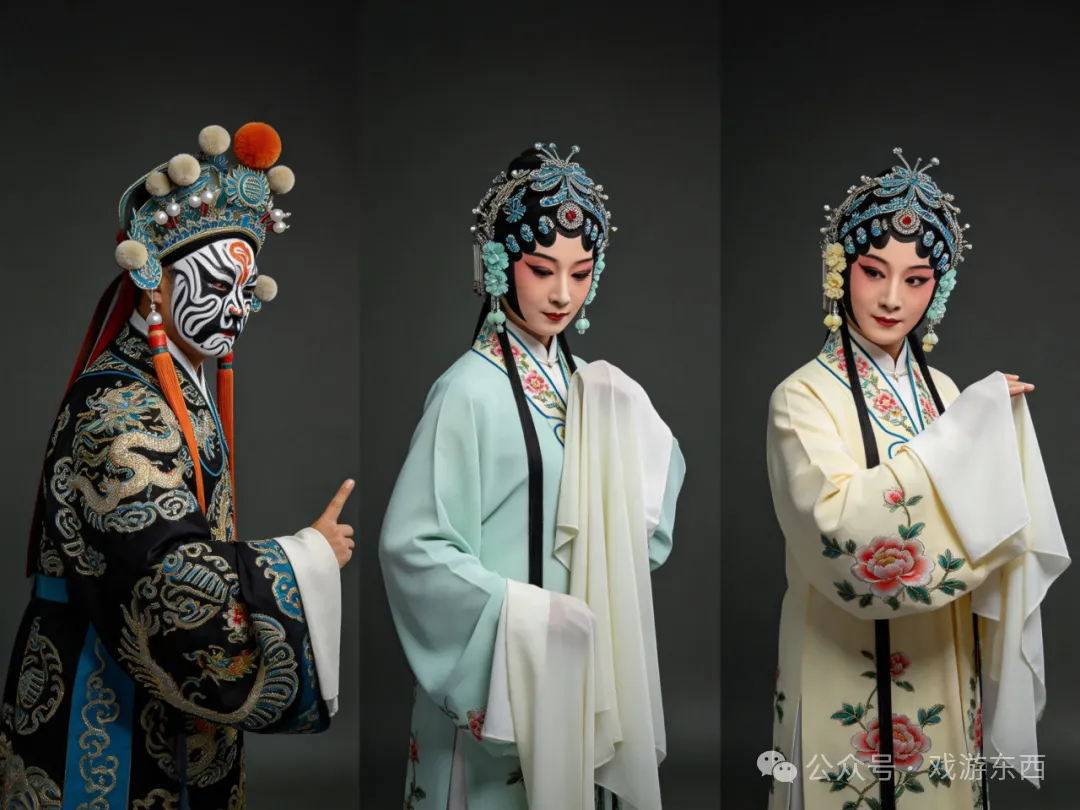
Its music is built around two main styles, xipi and erhuang, together known as pihuang. Its principal role types are sheng, dan, jing, and chou. Painted faces also tell a story before a performer even speaks: red often signals loyalty and courage, black suggests integrity, and white is associated with treachery.
代表剧目:《霸王别姬》《贵妃醉酒》《锁麟囊》。名家有谭鑫培、梅兰芳、程砚秋等。
Well-known works include Farewell My Concubine, The Drunken Concubine, and The Kylin Purse. Celebrated performers include Tan Xinpei, Mei Lanfang, and Cheng Yanqiu.
昆曲:六百年前的水磨调
中国戏曲的母亲
Kunqu: The Elegant Art Behind Many Chinese Operas
如果说京剧是集大成的那一个,昆曲就是源头活水。它出自元末明初的江苏昆山。明代嘉靖年间,魏良辅等人改革昆山腔,创出了细腻婉转的“水磨调”。
If Jingju brings many traditions together, Kunqu is one of the great sources from which Chinese opera grew. It emerged in Kunshan, Jiangsu, around the transition from the Yuan to the Ming dynasty. During the Ming dynasty, Wei Liangfu and others refined the local Kunshan tune into a graceful, flowing style often called the “water-mill” tune.
2001年,昆曲成为联合国教科文组织首批“人类口头和非物质遗产代表作”,是中国第一个拿到这项认定的项目,被称为“百戏之祖”。
In 2001, Kunqu was recognised by UNESCO as one of the Masterpieces of the Oral and Intangible Heritage of Humanity. Often described as “the ancestor of a hundred operas,” it has influenced generations of Chinese theatre.
代表剧目:汤显祖《牡丹亭》、洪昇《长生殿》、孔尚任《桃花扇》。
Famous works include Tang Xianzu’s The Peony Pavilion, Hong Sheng’s The Palace of Eternal Youth, and Kong Shangren’s The Peach Blossom Fan.
川剧:川渝一家
变脸背后是巴蜀人的脾气
Chuanju: The Bold, Funny, and Dazzling Spirit of Sichuan
川剧流行于四川、重庆,以及贵州、云南的部分地区,是五种声腔同台共处的剧种:高腔、昆腔、胡琴、弹戏、灯调。
Chuanju, or Sichuan Opera, is rooted in Sichuan and Chongqing and is also performed in parts of Guizhou and Yunnan. One of its distinctive features is that five vocal styles can appear on the same stage: gaoqiang, kunqiang, huqin, tanxi, and dengdiao.
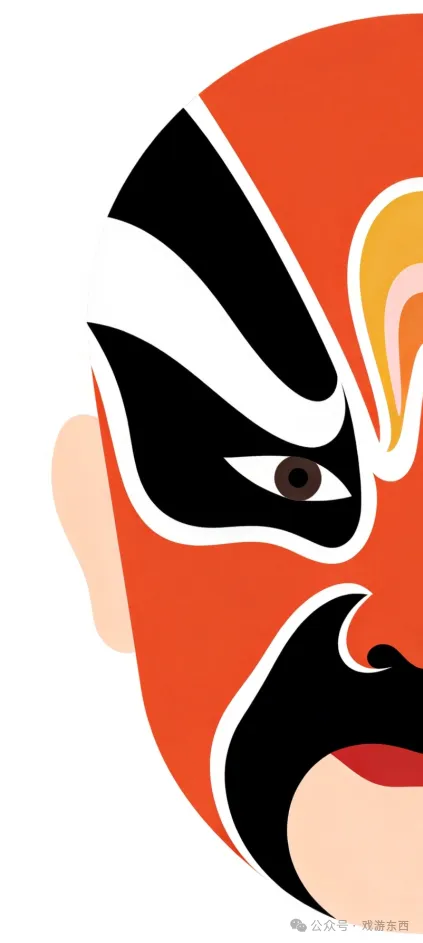
其中最有辨识度的是高腔:演员唱一句,后台接一句,这叫“帮腔”。川剧的特技闻名世界:变脸、吐火。它用四川方言演唱,语言辛辣幽默,最擅长在悲剧里插一口气的喜剧。
One of the best-known is gaoqiang. The performer sings a line, and voices from backstage answer—a technique called bangqiang, or “supporting chorus.” Chuanju is famous for its dazzling stage skills, especially face-changing and fire-spitting. Sung in the Sichuan dialect, it is quick-witted and full of local humour. Even a serious story can make room for a laugh.
代表剧目:《白蛇传》《巴山秀才》《变脸》。2006年列入首批国家级非物质文化遗产名录。
Popular works include The Legend of the White Snake, The Scholar of Bashan, and Face-Changing. Chuanju was included in China’s first batch of national intangible cultural heritage listings in 2006.
黄梅戏:从湖北黄梅的田埂
走到安徽安庆的戏台
Huangmei Opera: From Hubei’s Countryside to Anhui’s Stage
黄梅戏的源头在湖北黄梅县。18世纪后期,当地流行“黄梅采茶调”。那一带水患多,艺人就沿着江卖艺,把调子一路带到安徽安庆,和当地的民间歌舞、说唱揉在一起,慢慢定了型:起于湖北黄梅,成于安徽安庆。
Huangmei Opera began in Huangmei County, Hubei, where a local style of singing known as the “Huangmei tea-picking tune” was popular in the late eighteenth century. Performers travelled along the river in search of audiences and brought the music to Anqing, in neighbouring Anhui. There it mixed with local folk songs, dance, and storytelling. In simple terms, the tradition began in Huangmei and grew into a mature opera form in Anqing.
它唱腔明快抒情,生活气息很浓。以安庆方言为基础,语音接近普通话,是几大剧种里最好听懂的一个。
Huangmei Opera is known for its bright, lyrical melodies and its close connection to everyday life. Its language, based on the Anqing dialect, is relatively close to Mandarin, which can make it easier for newcomers to follow.
代表剧目:《天仙配》《女驸马》《牛郎织女》。名家有严凤英、马兰、韩再芬等。
Well-known works include Marrying a Fairy, The Female Prince Consort, and The Cowherd and the Weaver Girl. Famous performers include Yan Fengying, Ma Lan, and Han Zaifen.
汉剧:湖北的皮黄
京剧的一位“母亲”
Hanju: The Hubei Tradition That Helped Shape Jingju
汉剧是湖北的代表剧种,以皮黄为主。清代嘉庆、道光年间,汉调艺人进京,与徽调合流,直接参与了京剧的孕育。“老生三杰”里的余三胜,就是湖北罗田人。
Hanju is one of Hubei’s representative opera traditions and is built on the pihuang musical system. During the Qing dynasty, Hanju performers from Hubei travelled to Beijing, where their music met Hui melodies and helped shape the emerging Jingju tradition. Yu Sansheng, one of the celebrated masters of the laosheng, or older male, role, came from Luotian in Hubei.
它的行当分末、净、生、旦、丑等十大类。20世纪,陈伯华创出“陈派”,把旦角艺术推到了高峰。
Hanju includes a range of role types, such as mo, jing, sheng, dan, and chou. In the twentieth century, Chen Bohua established her own performing style, known as the Chen school, and became a major figure in the art of female-role performance.
代表剧目:《宇宙锋》《二度梅》《兴汉图》。2006年列入首批国家级非物质文化遗产名录。
Well-known works include The Universe Sword, The Second Plum Blossom, and The Chart of Restoring Han. Hanju was included in China’s first batch of national intangible cultural heritage listings in 2006.
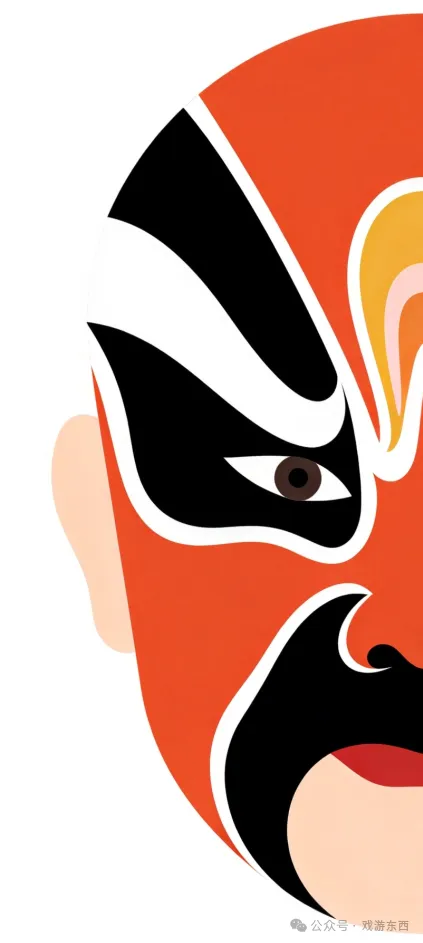
湖南花鼓戏:
带着辣椒味的乡土喜剧
Hunan Huagu Opera: Everyday Stories with a Dash of Humour
花鼓戏出自湖南各地的民间歌舞、花灯和“地花鼓”,清代中叶成形,是湖南流传最广的地方小戏。
Hunan Huagu Opera grew out of local folk songs, dances, lantern performances, and “ground flower drum” traditions. It took shape in the mid-Qing dynasty and became one of the most widely performed forms of local opera in Hunan.
它载歌载舞,语言通俗,诙谐幽默,唱的就是普通人的日子。《刘海砍樵》名震全国,《打铜锣》《补锅》是至今还在演的现代戏。
It combines singing and dancing with straightforward language and lively humour, often focusing on the joys and troubles of ordinary people. Liu Hai Cuts Firewood helped bring it to a national audience, while Beating the Gong and Mending the Pot remain popular on stage today.
著名歌唱家李谷一,早年就是湖南花鼓戏演员。2006年,花鼓戏列入首批国家级非物质文化遗产名录。
The singer Li Guyi began her career performing Hunan Huagu Opera. In 2006, the genre was included in China’s first batch of national intangible cultural heritage listings.

入门三步

Three Easy Ways to Start Enjoying
Chinese Opera
第一步,先看故事,再听唱腔。找带字幕或者有梗概的片段来看。知道了剧情,唱段就从“听不懂的语言”变成了“很有情绪的音乐”。
First, follow the story. Before worrying about the singing, find a version with subtitles or read a short plot summary. Once you know what is happening, the music becomes easier to connect with the characters’ feelings.
第二步,认行当,让服装替你翻译。生、旦、净、丑各有固定的服装、脸谱和身段规矩。
Second, learn a few role types. The costumes, painted faces, and movements are like clues that help you understand who is on stage and what kind of character they are playing.
第三步,接受“写意”的规则。台上常常只有“一桌二椅”,可它一会儿是山,一会儿是城楼,一会儿是船;绕场一周,就是千里,是把想象力的责任交还给观众。
Third, give your imagination room to work. A stage may have little more than “one table and two chairs,” yet those simple objects can suggest a mountain, a city gate, or a boat. A performer’s single circuit of the stage can stand for a journey of a thousand miles. The magic lies not in showing everything, but in letting the audience imagine the rest.

一场跨越语言的对话

A Conversation Across Cultures
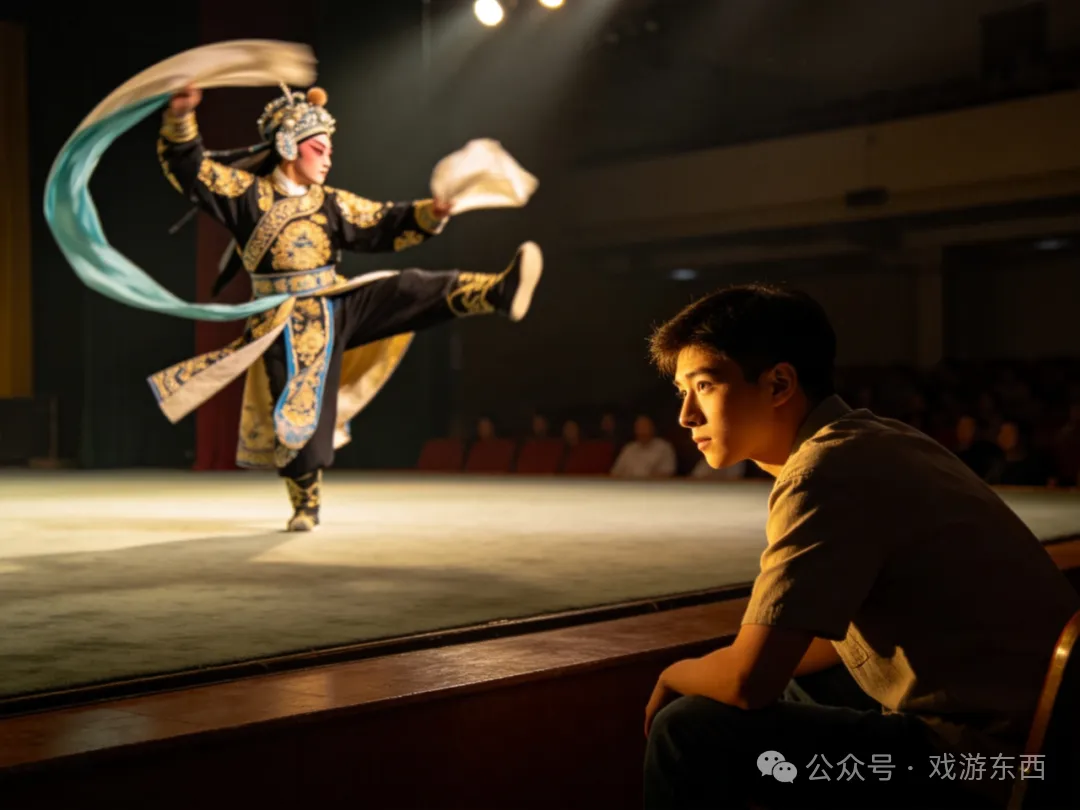
回到最初的问题:为什么我想要把中国戏曲讲给世界听?因为戏曲里藏着中国人理解世界的方式——相信善有善报,同情弱者受屈,歌颂家国,也珍视团圆。
So why do I want to share Chinese opera with the world? Because these performances tell us something about how people in China have thought about life and the world: that good and evil matter, that the wronged deserve sympathy, that the vulnerable deserve protection, and that family and country carry deep meaning.
从昆曲入选人类非物质文化遗产,到京剧走向世界,再到各地剧种守正创新,戏曲依然在讲述中国人的故事。
From Kunqu’s international recognition as an intangible cultural heritage to the global reach of Peking Opera, Chinese opera continues to tell the stories of the people who created it. Across the country, regional traditions are also finding ways to respect the past while speaking to new audiences.
这是一场跨越语言的对话。我在做的就是将第一句台词递出。
For me, Chinese opera is a conversation across languages. I offer the opening line; the next line is yours.
戏曲的美,不该被语言和文化的距离所阻隔。我希望这篇文章,能成为一座小小的桥梁——让更多国际友人看见戏曲、爱上戏曲;也为海内外的戏迷与研究者,搭建一个可以深度交流与共鸣的渠道。后续我将持续解析经典,如果你也热爱戏曲,或者刚刚对它产生好奇,欢迎在评论区留下你的声音。愿每一个懂戏的灵魂,都能在这里找到同好。
Language and cultural differences should not keep us from discovering the beauty of Chinese opera. I hope this article can be a small bridge—helping more readers around the world encounter this art form, appreciate its richness, and perhaps grow to love it. I also hope this space can bring together opera lovers and researchers in China and abroad to share ideas and learn from one another. In future posts, I’ll continue exploring classic works and the stories behind them. If you already love Chinese opera, or if this is your first introduction, I’d love to hear your thoughts in the comments. May everyone who finds beauty in this art find kindred spirits here.
以戏为桥,跨越山海
让我从这里出发,听见中国
With opera as a bridge across mountains and seas,
—
let us begin here, and listen to China.

