十三、戏曲艺术导游词
13. Tour Guide Script on Chinese Opera Art
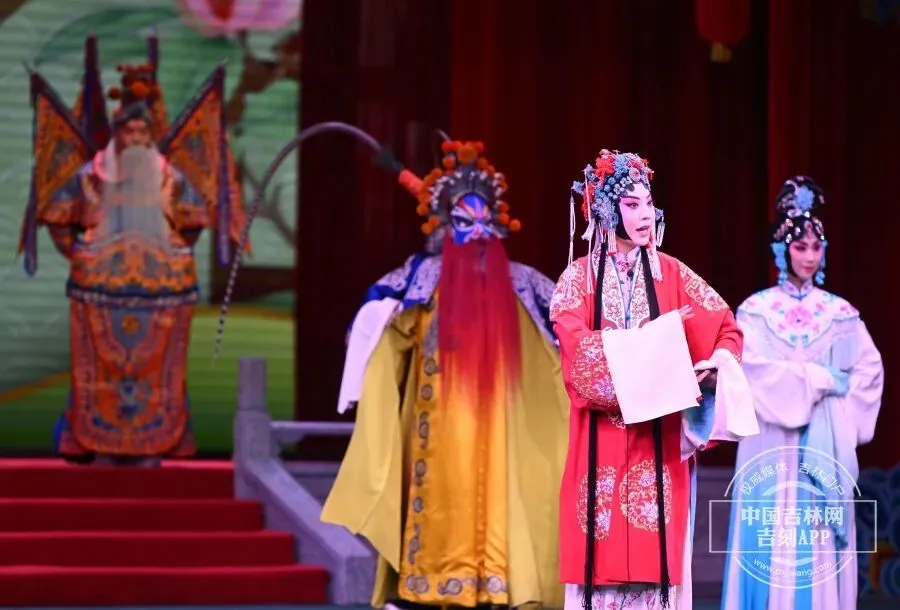
各位游客朋友,大家好!我是今天陪同大家的导游小赵,非常荣幸能为各位提供讲解服务。接下来,就让我们一同走进中国戏曲艺术的殿堂,探寻这门承载着中华文脉、凝聚着民族审美的传统艺术瑰宝,感受它跨越千年的独特魅力。
Dear tourists and friends, hello everyone! I’m your guide Xiaozhao. It’s my great honor to deliver the commentary for you. Now, let’s step into the palace of Chinese opera art, explore this traditional treasure that inherits Chinese cultural context and embodies national aesthetics, and experience its timeless charm spanning thousands of years.
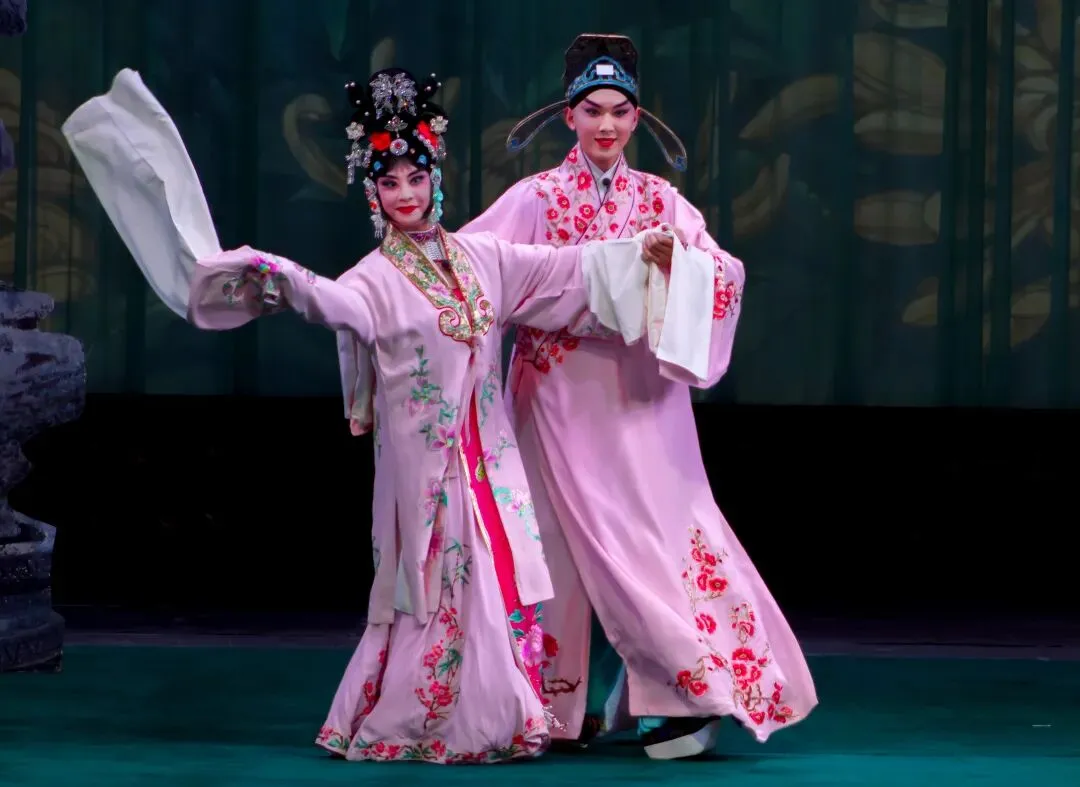
中国戏曲艺术不仅是中国文学殿堂中的璀璨明珠,更在文化精神层面构建起独具特色的价值体系。它所蕴含的精神内核、审美情趣、人格魅力与悲剧艺术,不仅深刻塑造了中国文化的价值取向,更最终铸就了中国文化的诗性特质与人文风骨,成为中华民族精神家园中不可或缺的重要组成部分。
As a shining pearl in the realm of Chinese literature, Chinese opera has also formed a unique value system at the cultural and spiritual level. Its spiritual core, aesthetic taste, personal charisma and tragic art have profoundly shaped the value orientation of Chinese culture, forged its poetic temperament and humanistic spirit, and become an indispensable cornerstone of the Chinese nation’s spiritual home.
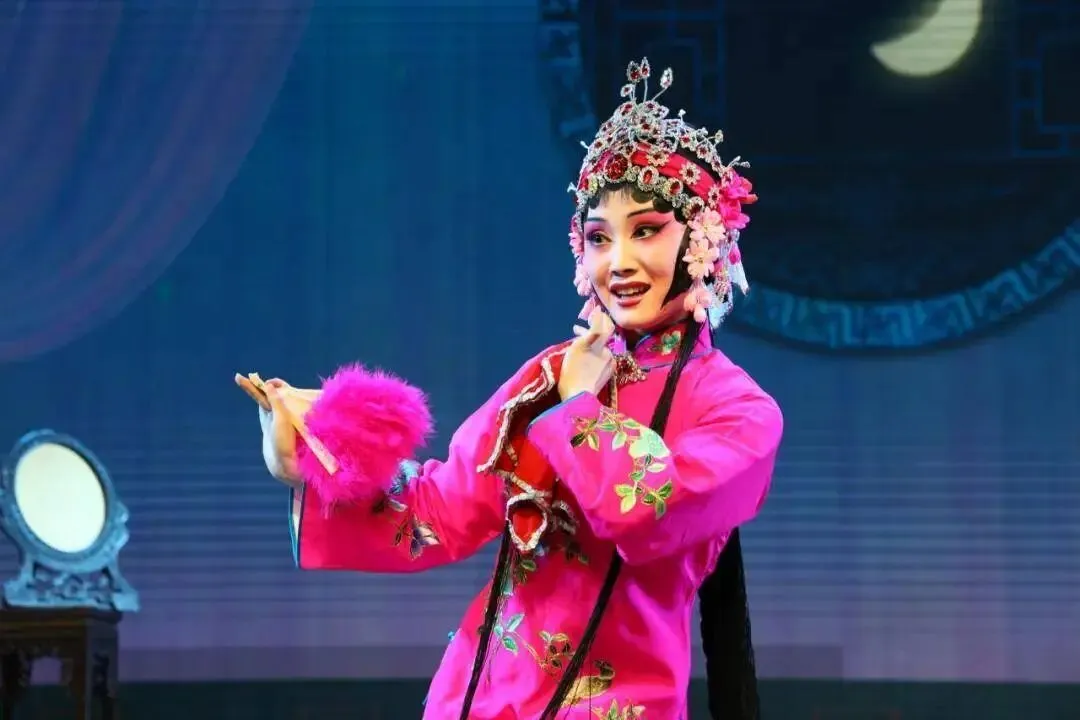
与诗、词、文、赋等传统文学体裁不同,中国古代戏曲有着鲜明的综合性特质——它既可以作为书面文本供人品读,涵盖剧本的情节架构、关目设计、宫调曲牌、文辞声韵等诸多文学要素;又以鲜活的舞台艺术形式呈现,融合了唱、念、做、打四大表演手段,搭配精巧的舞台布景与灵动的音乐伴奏,是一门集文学、音乐、舞蹈、美术、表演于一体的综合艺术,兼具文学性与观赏性。
Distinct from traditional literary genres such as poetry, ci, prose and fu, ancient Chinese opera features outstanding comprehensiveness. It can be appreciated as written text, covering literary elements including plot structure, dramatic design, tonal modes and tunes, as well as diction and phonology. Meanwhile, it is presented as vivid stage art, integrating four core performing techniques: singing, recitation, acting and acrobatics. Accompanied by exquisite stage settings and melodious music, it is a comprehensive art that unites literature, music, dance, fine arts and performance, boasting both literary value and ornamental appeal.
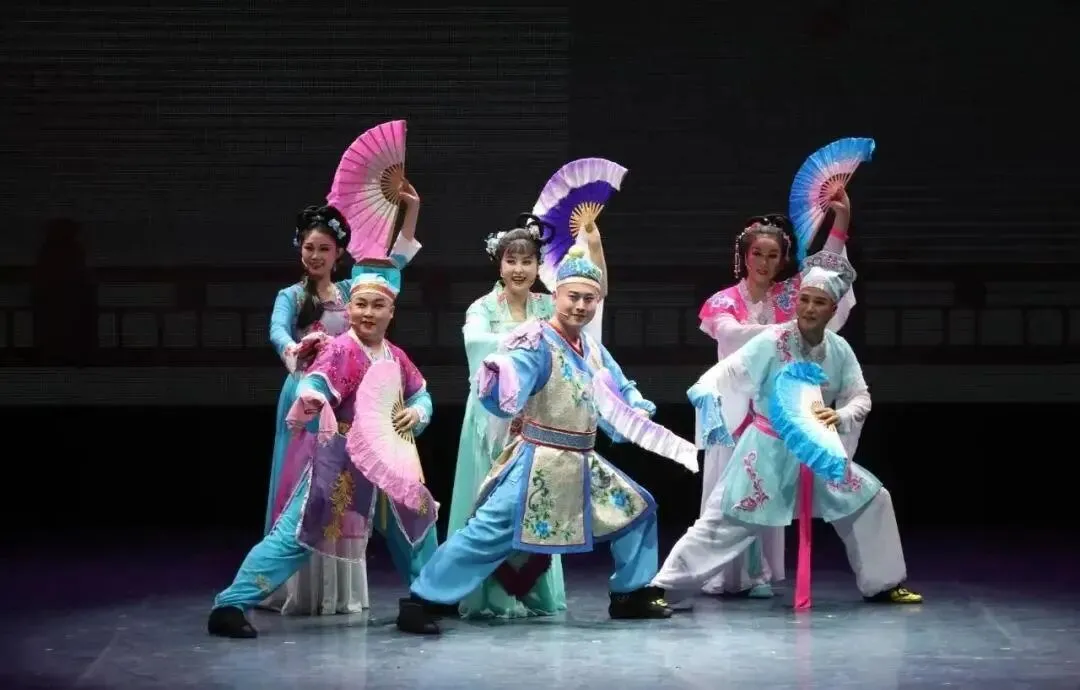
追溯中国古代戏曲的发展脉络,主要有两条清晰的主线。一条源于滑稽表演:从西周末年的俳优滑稽戏,到西汉百戏中的角抵戏,再到唐代的参军戏,故事性逐渐增强,慢慢成为戏剧表演的核心主体。另一条源自原始歌舞:从远古先民的祭祀歌舞,到隋朝“九部乐”的规范定型,再到唐代代面、钵头、踏摇娘等歌舞戏的盛行,民间歌舞艺术不断成熟,为戏曲的宫调、曲牌、声韵体系完善提供了丰富养分。
There are two clear evolutionary threads in the development of ancient Chinese opera. The first originated from comic performances: from court jester shows in the late Western Zhou Dynasty, to wrestling plays in the hundred entertainments of the Western Han Dynasty, and further to canjun opera in the Tang Dynasty. Dramatic elements kept growing and gradually became the core of theatrical performance. The second derived from primitive song and dance: starting from ritual dances of ancient ancestors, to the standardized nine musical divisions in the Sui Dynasty, and the prevalence of musical-dance dramas in the Tang Dynasty, such as masked plays, pot-headed dances and tambourine dances. Folk dance and music matured continuously, enriching and improving the tonal and rhythmic systems of Chinese opera.